
South Shore
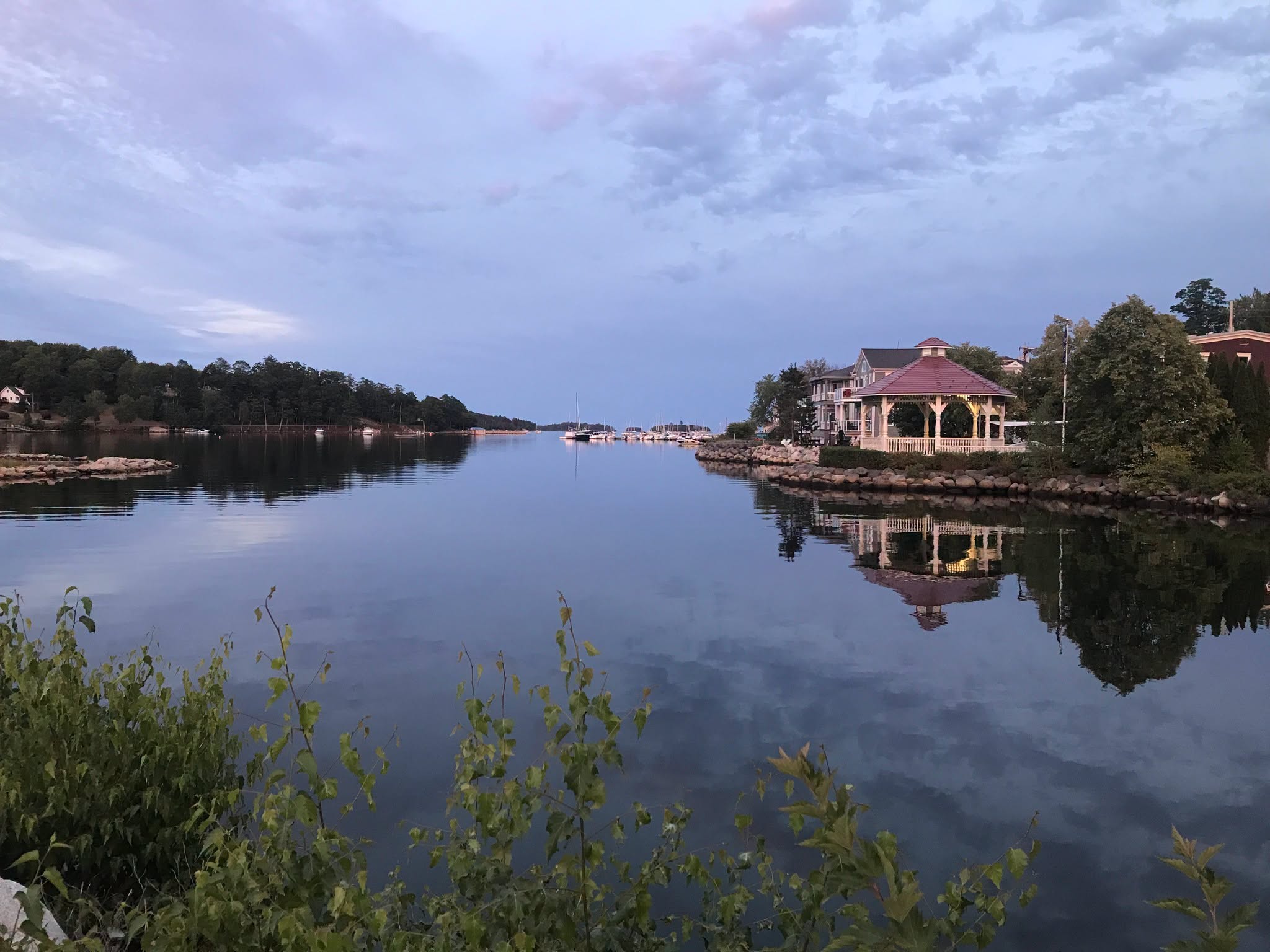
Between Bridgewater and Liverpool, the South Shore is known for its maritime landscapes, lighthouses, and villages, and is home to La Hève, the first capital of French Acadia.
The South Shore, located on the Atlantic coast of Nova Scotia, primarily between Bridgewater and Liverpool, is known for its maritime landscapes, beaches, lighthouses, picturesque villages, and numerous outdoor activities. Fishing, tourism, and small local businesses play an important role in the region's life.
The South Shore also possesses a rich Acadian heritage. The village of La Hève was the first capital of French Acadia from 1632 to 1638. It was the French aristocrat Isaac de Razilly, a naval officer and lieutenant-general of New France, who established the colony there in 1632. Appointed by Cardinal Richelieu, this visionary French nobleman made La Hève the first administrative and settlement center of Acadia, thereby laying the foundations for the Francophone presence in the region.
Today, the South Shore Francophone Community Centre and the South Shore School Centre actively contribute to the transmission of the French language as well as the cultural and community vitality of the region.
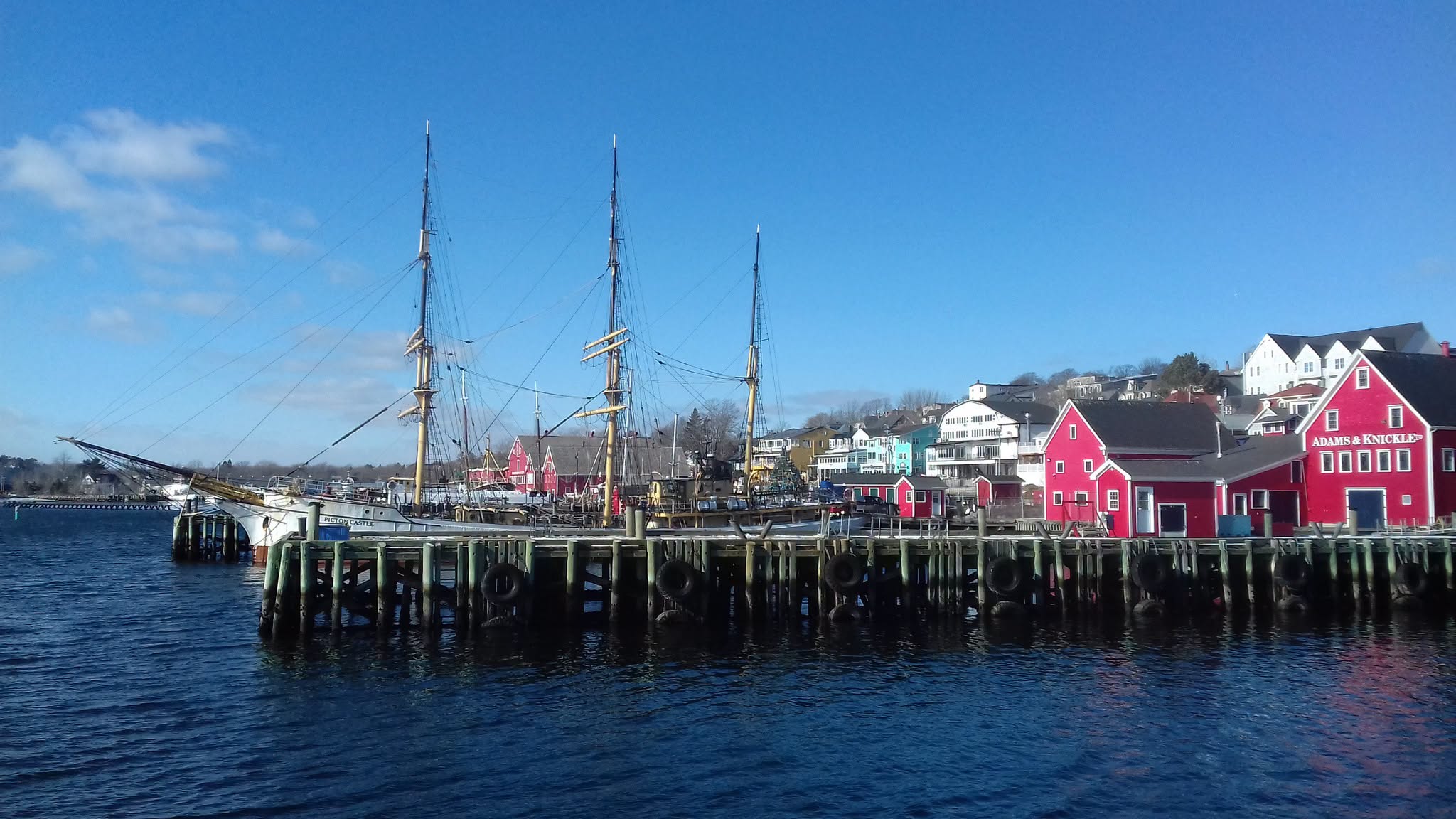
The South Shore is also home to must-see destinations like Lunenburg, a UNESCO World Heritage site and home port of the famous Bluenose II, as well as Mahone Bay, known for its magnificent waterfront, three churches, artisan shops, and galleries.
Thanks to its history, exceptional landscapes, and the vitality of its Francophone community, the South Shore is a place where culture, nature, and Acadian heritage meet.
.png)
We would love to hear from you